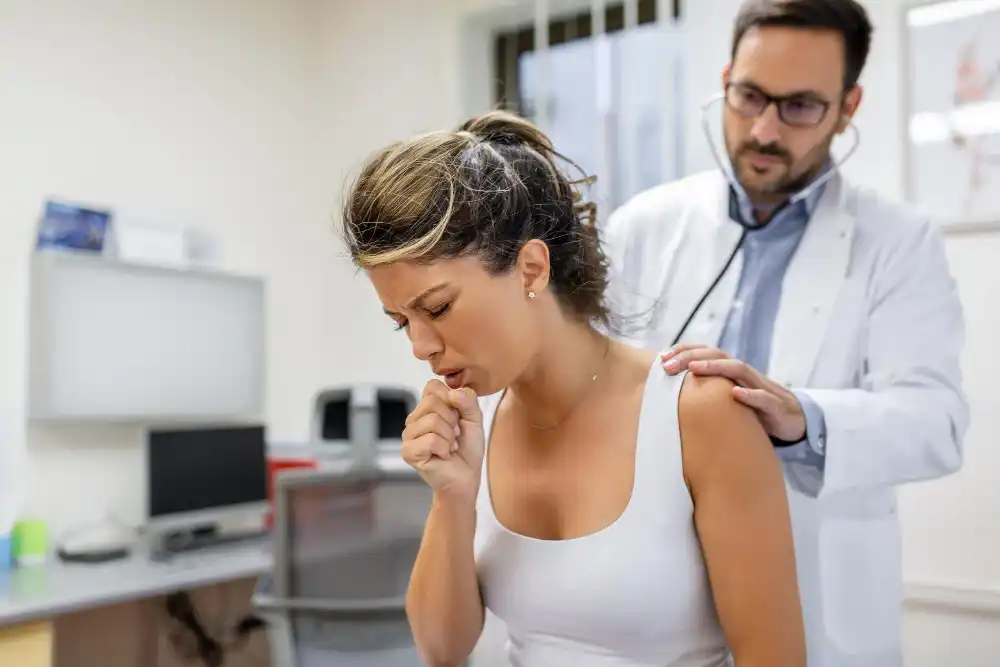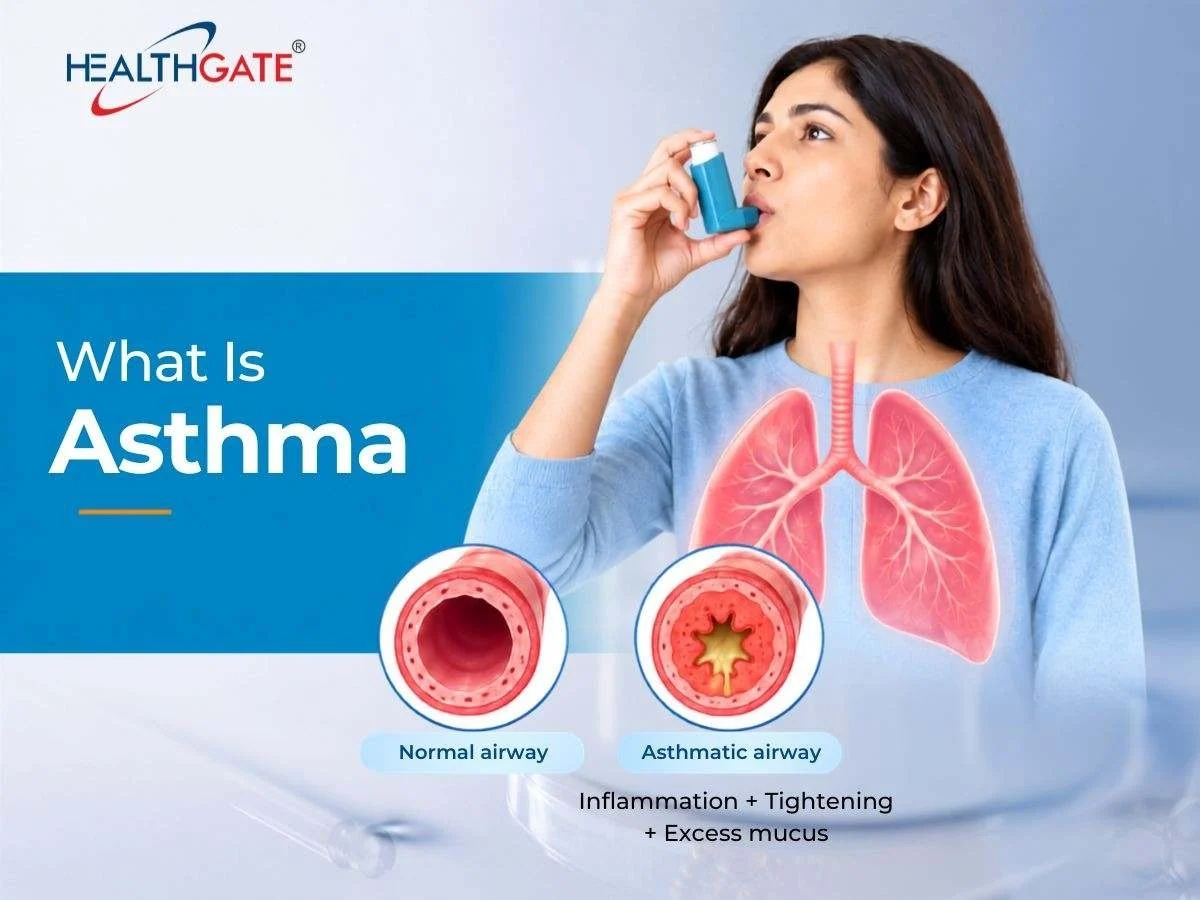


Have you noticed that when you climb stairs, walk fast or do everyday things you’re more breathless than usual? Maybe you’ve had a cough for months or mucus is brought up regularly? There are lots of reasons why these symptoms happen but one condition doctors think of when they talk about them is COPD.
Respiratory diseases such as asthma, chronic obstructive pulmonary disease (COPD), bronchitis, and pneumonia affect millions globally. Pharmaceutical companies specializing in respiratory care play a crucial role in developing effective treatments that improve patients’ quality of life.
Respiratory pharma companies focus on creating formulations like inhalers, nebulizers, bronchodilators, corticosteroids, and antibiotics tailored specifically for respiratory ailments. Their innovation and dedication are vital in managing both acute and chronic respiratory conditions.
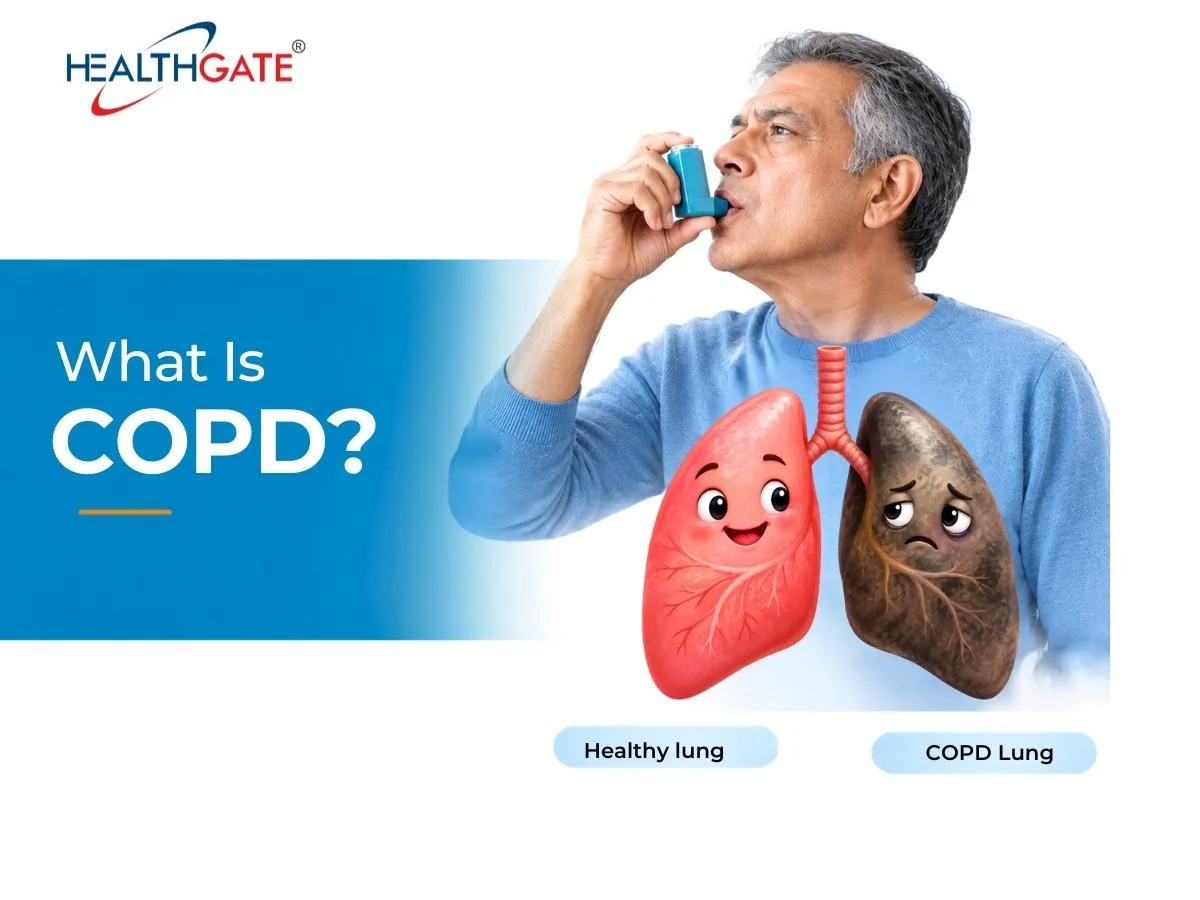
COPD stands for Chronic Obstructive Pulmonary Disease. It’s a long-term lung disease where airflow is restricted (harder to breathe). COPD is an umbrella term used to describe chronic bronchitis and emphysema.
COPD develops slowly so people often don’t recognise their symptoms as normal ageing, smoker’s cough or being less fit. Persistent breathing symptoms need to be recognised and discussed with a healthcare professional.
To understand COPD you have to think of your lungs as a network of airways and tiny air sacs.
When you breathe in air moves through the airways into your lungs. Oxygen goes into your bloodstream and carbon dioxide is removed when you breathe out.
With COPD this normal airflow can become restricted.
Several changes may contribute, including:
This is why a person with COPD may feel short of breath when walking, exercising or doing activities that require more oxygen
People think of COPD as being associated with smoking. Smoking is the major risk factor but COPD can occur in people who have never smoked either.
Other lung irritants that can cause COPD are:
Long term exposure to other lung irritants causes COPD. These include:
WHO says tobacco exposure and air pollution are important causes and risk factors for COPD and occupational exposure to dust, fumes and chemicals can also be a cause.
This is particularly the case in countries like India where exposure to household and environmental air pollution is an important respiratory health problem.
So if you’ve never smoked but have breathing problems then don’t assume COPD is impossible.
COPD symptoms may take time to develop and can be very mild at first.
Common symptoms include:
A cough that keeps coming back or doesn’t go away is also an early sign too. Some people produce mucus (or phlegm) when they cough.
Things that used to be easy (walking uphill, climbing stairs or carrying groceries) feel very breathless now.
Some people with COPD whistle when they breathe in. Wheezing sounds like air is going into your lungs very quickly instead of slowly and smoothly.
Increased mucus or phlegm production may occur due to changes and inflammation in airways.
Breathing problems can make you tired (especially if symptoms disrupt daily activities).
These symptoms can occur with other respiratory conditions so if you have a cough or breathlessness then it doesn’t mean you have COPD.
These terms are used together a lot so it’s no surprise they can be confusing.
Chronic bronchitis is mainly long term inflammation of airways (chronic cough and mucus production).
Emphysema damages the tiny air sacs in the lungs so that the lungs are less able to exchange air.
COPD is the umbrella term for chronic lung disease (persistent airflow limitation and breathing problems). Most commonly emphysema but bronchitis and emphysema are also included.
You might therefore hear a doctor say more than one of these terms when describing the person’s lung condition.
COPD is more common with age but it’s not an “older person’s disease”. Risk increases if you have a history of:
COPD is more common with age but it’s not an “older person’s disease”. Risk increases if you have a history of:
Your overall exposure history too — two people the same age can have very different risks because their smoking history, environment occupation and other health factors are different.
You can’t rule out COPD just by looking at symptoms.
A healthcare professional may ask about your breathing symptoms, smoking or exposure history, medical history and how your symptoms affect everyday activities.
A test used to help diagnose COPD is spirometry.
Spirometry is a test of how much air you can breathe in and forcefully exhale; it tells us how well your lungs are working.
This is because breathlessness and chronic cough can have many causes (asthma, respiratory infections, heart or other health problems).
If you have ongoing respiratory symptoms then a proper medical evaluation is more helpful than trying to diagnose yourself from an online list of symptoms.
COPD isn’t just about what happens inside the lungs.
As breathing becomes more difficult everyday activities become harder too. Someone may find it harder to:
WHO says COPD symptoms can gradually reduce normal daily activities (especially because of breathlessness).
This is one of the reasons why early detection and medical guidance are important.
This is a good question but also one I want to keep short here because COPD treatment and whether COPD can be cured are two separate topics (and they deserve their own article)
Currently major health authorities say COPD has no cure but it can be treated and managed. Treatment and lifestyle measures control symptoms; reduce flare ups and support quality of life.
The approach should be tailored to the individual and needs to be discussed with a qualified healthcare professional.
The detail we will have coming up can go much deeper into COPD treatment management and whether COPD can be reversed or cured.
Don’t ignore changes in breathing just because they developed slowly.
See a healthcare professional if you have any of the following:
Early evaluation will tell you if COPD is causing your symptoms or something else.
And if you have severe or suddenly worsening difficulty breathing, chest pain, confusion, bluish lips/skin or other serious symptoms — don’t wait for your routine appointment. Go see a doctor right away.
It’s a chronic lung disease (restricted airflow and breathing problems (often with chronic bronchitis and emphysema)). It can develop slowly and smoking is often involved but other exposures and factors may also be involved.
The problem isn’t that every persistent cough is COPD — or that ongoing breathlessness is just getting old.
If your breathing has changed then getting it assessed is a sensible first step.
Healthgate explains respiratory health in everyday language. If you have ongoing breathing symptoms or concerns about COPD talk to a qualified doctor or healthcare professional for advice and assessment.
Partner with HealthGate for trusted respiratory healthcare solutions.

Healthgate is a leading respiratory pharma company in India, focused on delivering high-quality medicines for asthma, COPD, bronchitis, and other breathing disorders.
© 2026 Healthgate. All Right Reserved.