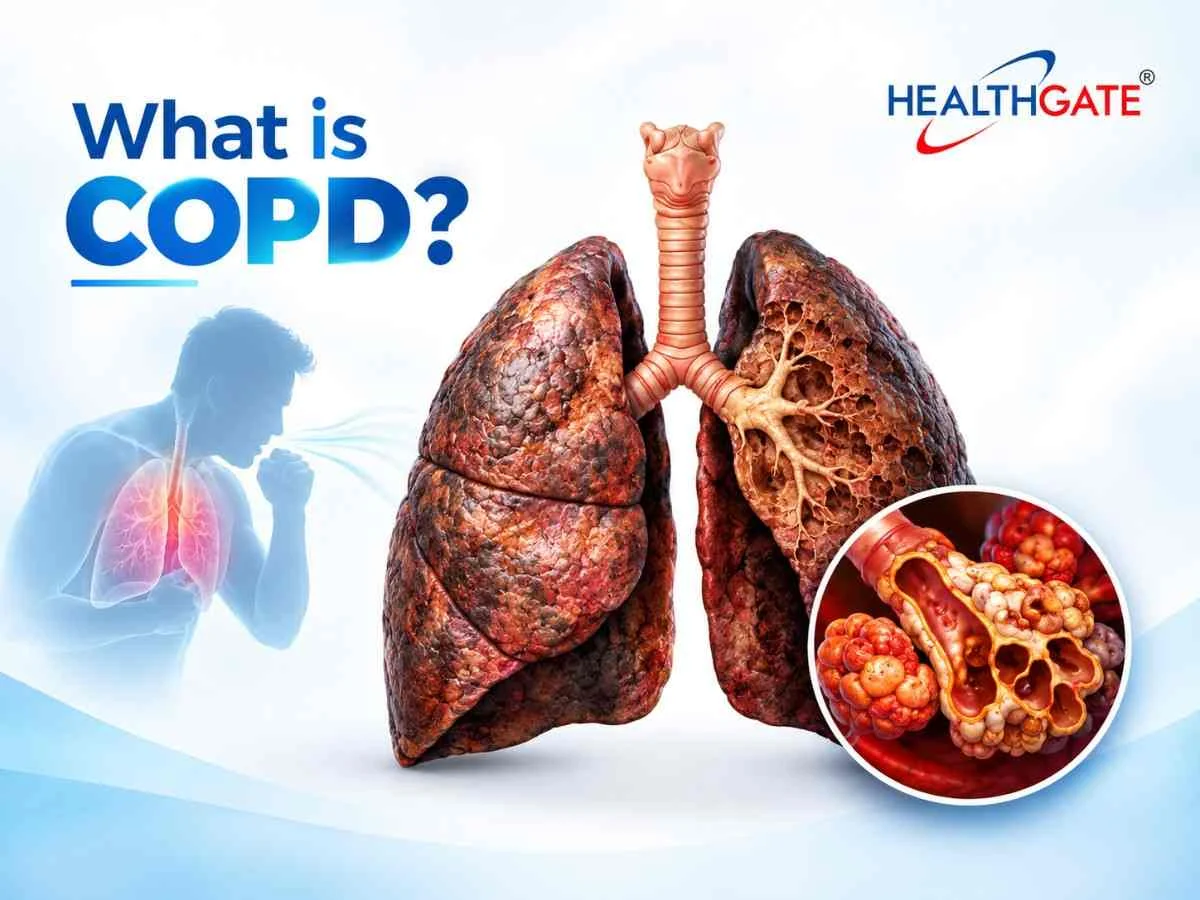


Chronic obstructive pulmonary disease (COPD) is a long-term respiratory disease that can gradually reduce airflow and make breathing more difficult. One of the most common questions after COPD diagnosis is “What are the 4 stages of COPD?” What does each stage mean?
COPD is generally graded from GOLD 1 to GOLD 4 by spirometry (percent predicted FEV₁ [forced expiratory volume in one second] after bronchodilator use). The 2026 GOLD report also uses these four grades of airflow obstruction.
Knowing about these stages will help patients, caregivers and healthcare professionals have a clearer conversation about disease severity and ongoing respiratory care.
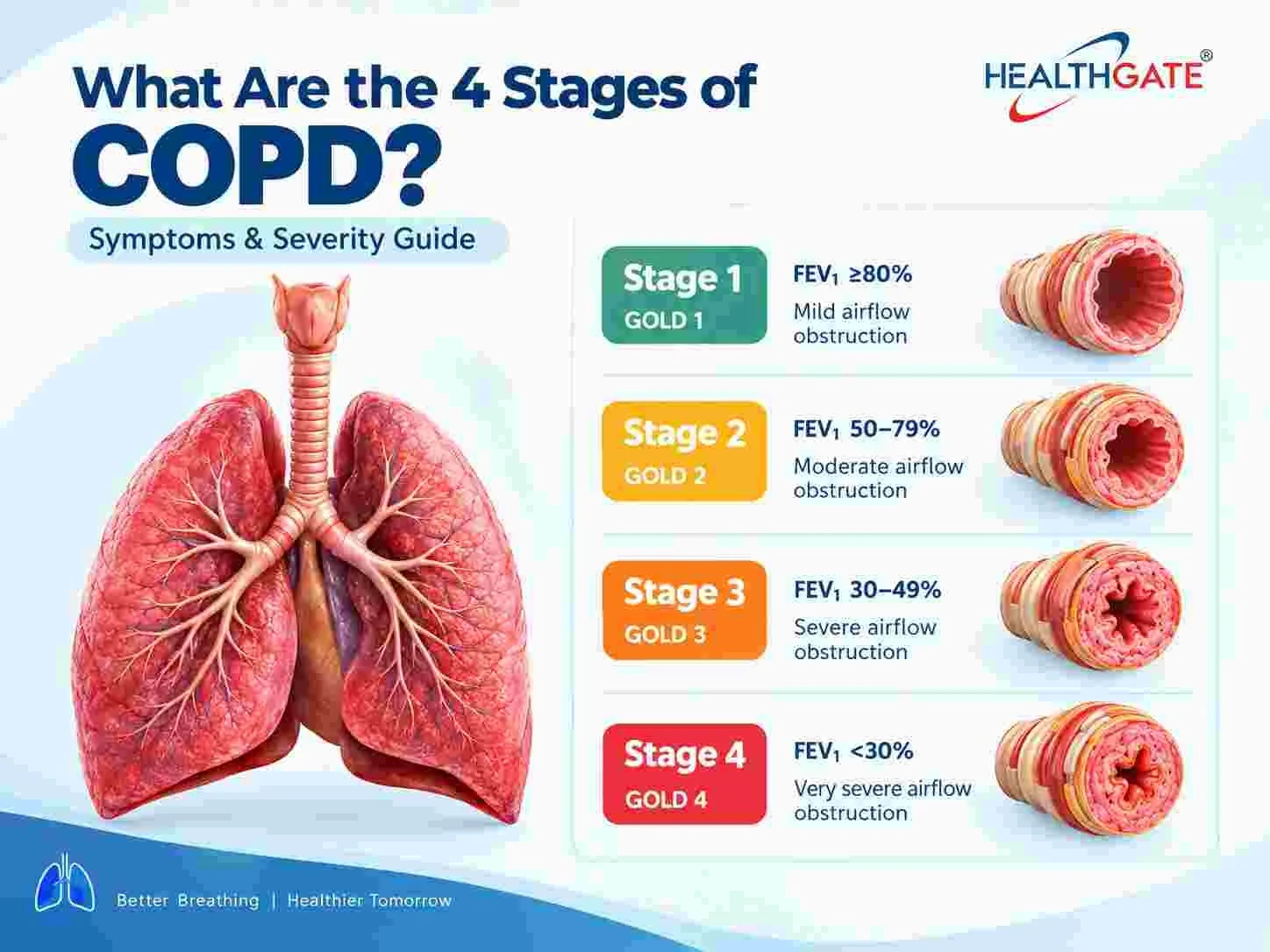
COPD Stage | GOLD Grade | FEV₁ (% of predicted) | General Description |
Stage 1 | GOLD 1 | ≥80% | Mild airflow obstruction |
Stage 2 | GOLD 2 | 50–79% | Moderate airflow obstruction |
Stage 3 | GOLD 3 | 30–49% | Severe airflow obstruction |
Stage 4 | GOLD 4 | <30% | Very severe airflow obstruction |
These ranges are post-bronchodilator spirometry.
Remember: Stage is not determined by symptoms alone. Current COPD assessment takes symptoms, exacerbation history and other factors into account when healthcare professionals decide overall management approach.
GOLD 1 COPD is mild airflow obstruction (FEV1 80% or more predicted value).
Symptoms at this stage may be mild. Some people have breathlessness with exercise or activities that are more effortful and others cough or produce mucus persistently.
Early symptoms of COPD may be missed or attributed to ageing, smoking or reduced fitness so assessment should be carried out when respiratory symptoms persist.
GOLD 2 COPD is FEV1 between 50% and 79% of predicted value.
As airflow limitation increases breathing problems may become more evident in everyday life. A person may feel more breathless when walking, exercising or doing physically demanding work.
That’s where regular medical assessment comes in. Doctors can look at symptoms, lung function, exacerbation history etc not just spirometry alone.
GOLD 3 COPD is FEV₁ between 30% and 49% of predicted value.
At this point airflow limitation is severe and respiratory symptoms may have more impact on everyday life. Breathlessness can become harder, people have limitations in their normal physical activity.
COPD management at this stage is ongoing medical care. Symptoms need to be managed, exacerbations prevented and respiratory health supported overall.
GOLD 4 COPD has an FEV1 <30% of predicted value.
This is very severe airflow obstruction. Everyday activities may become increasingly difficult because of respiratory symptoms and some people have additional complications or health conditions that need close medical attention.
But GOLD 4 doesn’t mean everyone will have COPD the same way. Symptoms, exacerbations, physical capacity and other health conditions can vary between people.
Spirometry is central to COPD diagnosis and airflow obstruction assessment.
GOLD defines post bronchodilator FEV₁/FVC ratio of <0.70 as spirometric criterion for persistent airflow obstruction in COPD.
The FEV₁ result is then used to grade the GOLD airflow-obstruction grade:
GOLD 1 → GOLD 2 → GOLD 3 → GOLD 4.
But that’s only one part of the picture — 2026 GOLD separately considers symptoms and exacerbation history (through its ABE assessment) so two people with the same spirometric grade may still have different clinical profiles and management needs.
Knowing stage can help healthcare professionals work out how much airflow limitation there is and what type of management will work best for them; patients can understand why regular follow-ups are needed, treatment prescribed by their doctor matters, lifestyle measures need to be taken and attention paid to worsening symptoms.
COPD is progressive disease but it doesn’t run the same for everyone.
Continued tobacco smoke exposure or other respiratory irritants, exacerbations and co-existing health conditions all influence how COPD presents.
For patients in India access to appropriate respiratory evaluation and professional care when symptoms (cough persisting; mucus production; breathlessness) continue or worsen is important.
As a respiratory pharmaceutical brand, Healthgate is focused on raising awareness of respiratory health and building a portfolio of respiratory products for the healthcare market.
Healthcare professionals and pharmaceutical partners looking to engage with a Top Respiratory Pharma Company in India can learn about its respiratory product portfolio and ask questions about professional or business enquiries on Healthgate.
What the company is not about is just selling products; it’s about building relationships with healthcare professionals and business partners through accessible product information, communication and respiratory focused solutions.
If breathing problems, cough that won’t go away, wheezing, mucus more than usual or reduced exercise tolerance are becoming more frequent then don’t try to figure out what stage of COPD you have from symptoms alone. Get a professional medical evaluation first!
A healthcare provider can review the clinical history, perform or recommend testing (e.g., spirometry), and decide what management is best.
Looking for more information about Healthgate’s respiratory products?
Contact Healthgate to discuss your requirements and connect with our team.
Partner with HealthGate for trusted respiratory healthcare solutions.

Healthgate is a leading respiratory pharma company in India, focused on delivering high-quality medicines for asthma, COPD, bronchitis, and other breathing disorders.

© 2026 Healthgate. All Right Reserved.