

Respiratory diseases affect millions of people worldwide and can significantly impact daily life if left untreated. Understanding their symptoms, causes, and treatment options is the first step toward maintaining healthy lungs. At Healthgate, we are committed to supporting healthcare professionals with high-quality respiratory pharmaceutical solutions that promote better breathing and improved patient outcomes.
The respiratory system is one of the most vital systems in the human body. Every breath you take delivers oxygen to your organs and removes carbon dioxide, ensuring that your body functions properly. However, respiratory diseases can interfere with this process, leading to breathing difficulties, reduced oxygen supply, fatigue, and serious health complications.
According to global health reports, respiratory illnesses are among the leading causes of hospitalization and death worldwide. They affect people of all ages—from young children suffering from asthma to older adults managing chronic obstructive pulmonary disease (COPD).
Fortunately, many respiratory conditions can be effectively managed through early diagnosis, proper medication, lifestyle changes, and preventive healthcare. Understanding these diseases helps patients recognize symptoms early and seek appropriate medical care before complications develop.
At Healthgate, we believe that quality respiratory medicines play an important role in improving patient health and supporting healthcare professionals in delivering effective treatment.
Respiratory diseases are medical conditions that affect the lungs, airways, or other parts of the respiratory system. These diseases can be temporary or chronic and may develop due to infections, allergies, environmental pollution, smoking, or genetic factors.
The respiratory system includes:
When any of these organs become inflamed, infected, or damaged, breathing becomes difficult, reducing oxygen delivery throughout the body.
Respiratory diseases may be:
The severity varies from mild seasonal infections to life-threatening lung diseases.
Healthy lungs are essential for an active and energetic life. Poor respiratory health not only affects breathing but also reduces physical activity, lowers immunity, decreases work productivity, and impacts overall quality of life.
Good respiratory health helps:
Maintaining healthy lungs requires regular exercise, clean air, balanced nutrition, vaccinations, and timely medical treatment.
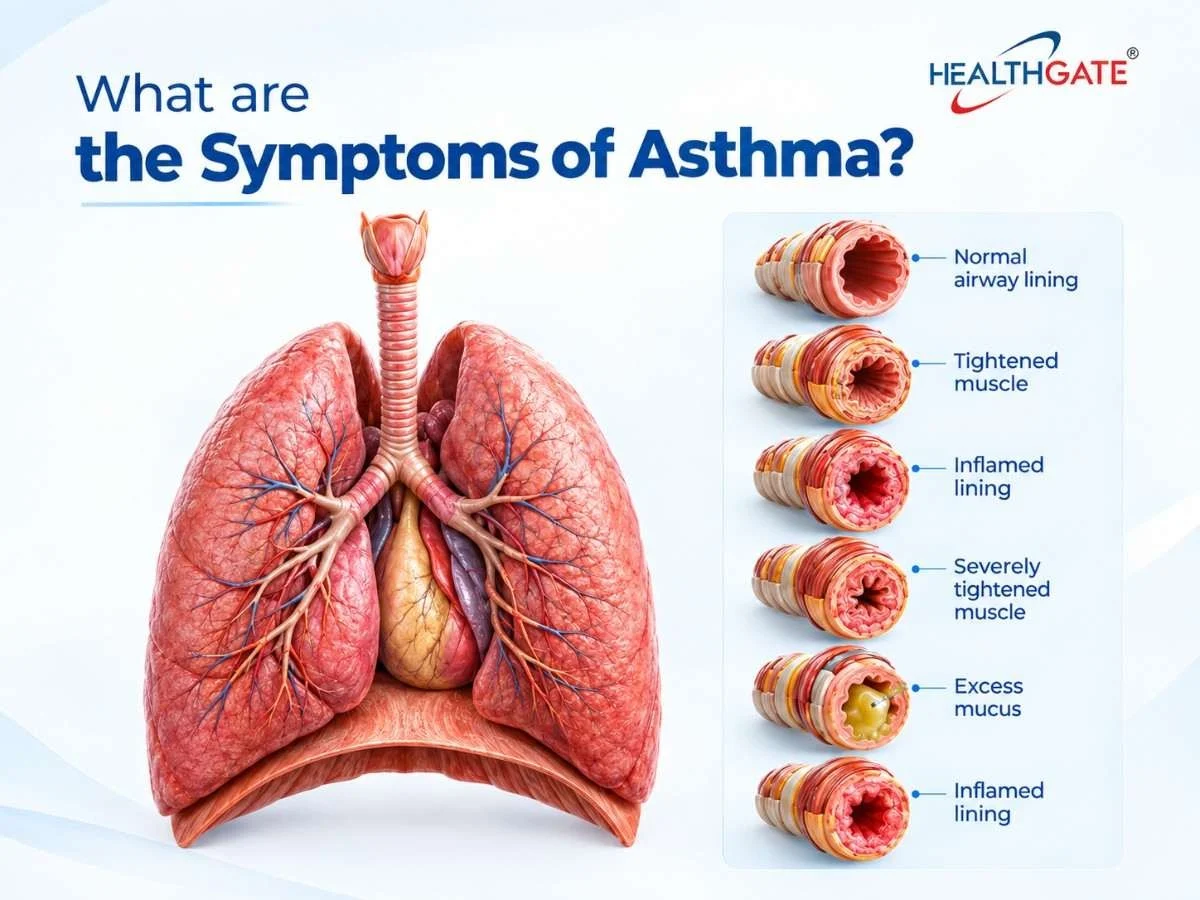
Asthma is a chronic inflammatory disease that causes narrowing of the airways, making breathing difficult.
Asthma attacks may be triggered by pollen, dust, smoke, cold weather, stress, or respiratory infections.
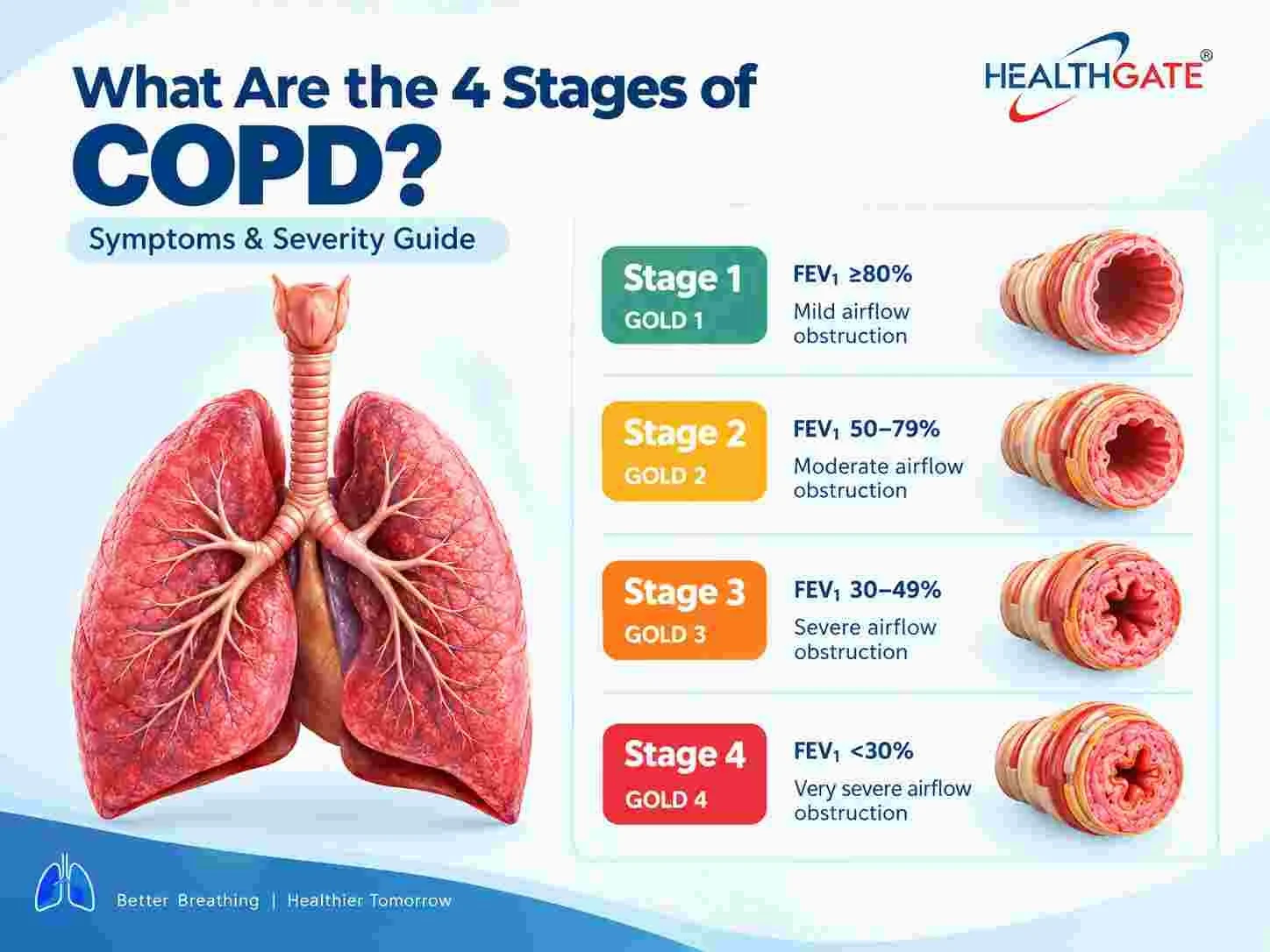
COPD is a progressive lung disease that blocks airflow and makes breathing increasingly difficult.
It usually develops after years of smoking or prolonged exposure to harmful chemicals.
Although COPD cannot be completely cured, proper medications and pulmonary rehabilitation significantly improve quality of life.
Pneumonia is a lung infection caused by bacteria, viruses, or fungi.
The infection fills the air sacs with fluid or pus, making breathing painful and reducing oxygen levels.
Early treatment with appropriate medications can prevent severe complications.
Bronchitis occurs when the bronchial tubes become inflamed.
It may be:
Acute bronchitis often develops after viral infections, while chronic bronchitis is commonly associated with smoking.
Tuberculosis is a contagious bacterial infection primarily affecting the lungs.
Proper diagnosis and a complete course of antibiotics are essential for successful treatment.
Although it mainly affects the nose, allergic rhinitis significantly impacts respiratory health.
Common triggers include:
Symptoms include sneezing, nasal congestion, itchy eyes, and a runny nose.
Seasonal flu and other viral respiratory infections are among the most common illnesses worldwide.
These infections spread rapidly through droplets released during coughing or sneezing.
Symptoms include:
Most viral infections recover with supportive care, while severe cases may require hospitalization.
Although symptoms vary depending on the condition, several warning signs are common across many respiratory illnesses.
A cough lasting more than three weeks should never be ignored, especially if accompanied by mucus or blood.
Difficulty breathing while walking, climbing stairs, or performing daily activities often indicates an underlying respiratory condition.
A whistling sound during breathing usually suggests narrowed airways and is commonly associated with asthma or COPD.
Pain during deep breathing or coughing may indicate pneumonia, pleurisy, or other lung disorders.
Persistent mucus or phlegm can signal chronic bronchitis or respiratory infections.
Repeated lung infections may indicate weakened lung function or an underlying chronic disease.
Low oxygen levels reduce energy production, causing weakness and tiredness even after minimal activity.
This is a medical emergency indicating inadequate oxygen supply and requires immediate medical attention.
Respiratory diseases can develop due to a combination of environmental, lifestyle, infectious, and genetic factors. Identifying these causes is essential for effective prevention and treatment.
Smoking is one of the leading causes of respiratory disorders worldwide. Tobacco smoke contains thousands of harmful chemicals that damage the lungs and airways over time.
Smoking significantly increases the risk of:
Even passive smoking can negatively affect lung health, especially in children and older adults.
Exposure to polluted air is becoming a major public health concern. Dust, industrial emissions, vehicle exhaust, and harmful gases can irritate the respiratory tract and worsen existing lung conditions.
Long-term exposure may lead to:
Many respiratory diseases are caused by infectious microorganisms. Viruses such as influenza and bacteria responsible for pneumonia or tuberculosis can spread through coughing, sneezing, or close contact.
Proper hygiene, vaccination, and timely treatment help reduce the spread of these infections.
Environmental allergens can trigger respiratory symptoms in sensitive individuals.
Common allergens include:
These allergens often contribute to asthma and allergic rhinitis.
People working in industries such as mining, construction, chemical manufacturing, agriculture, and textiles may inhale harmful dust, fumes, or chemicals that damage the lungs over time.
Using appropriate protective equipment and following workplace safety guidelines can minimize these risks.
Some respiratory conditions have a hereditary component. Individuals with a family history of asthma or other lung diseases may have a higher risk of developing similar conditions.
People with weakened immunity are more susceptible to respiratory infections. Maintaining a healthy lifestyle and receiving recommended vaccinations can help strengthen the body’s defense system.
Early diagnosis helps healthcare professionals begin appropriate treatment before complications arise.
Doctors may recommend one or more of the following diagnostic methods.
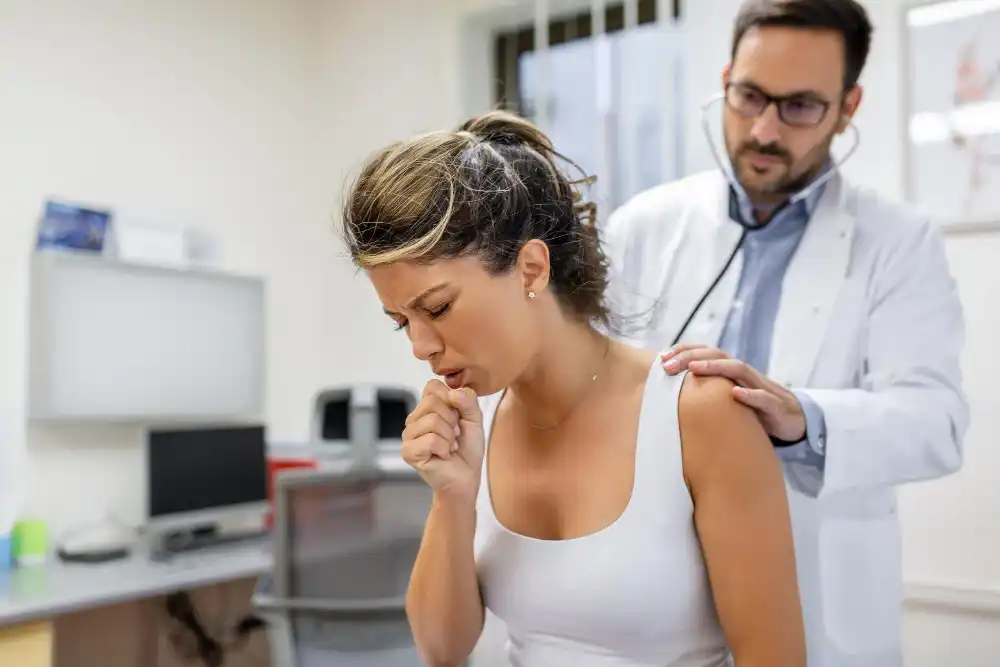
The doctor evaluates breathing patterns, listens to lung sounds using a stethoscope, and reviews the patient’s medical history.
This test measures lung capacity and airflow to diagnose conditions such as asthma and COPD.
Chest X-rays help detect pneumonia, tuberculosis, lung infections, and structural abnormalities.
A CT scan provides detailed images of the lungs and is useful for identifying chronic lung diseases and tumors.
Blood tests can detect infections, inflammation, and oxygen levels in the body.
Laboratory analysis of mucus helps identify bacterial or fungal infections affecting the lungs.
Skin or blood tests help identify allergens responsible for respiratory symptoms.
Treatment depends on the type, severity, and cause of the respiratory condition.
Doctors may prescribe medications such as:
Patients should always take medicines as prescribed by qualified healthcare professionals.
Inhalers deliver medication directly into the lungs, providing faster relief with fewer systemic side effects.
Common inhalers include:
Nebulizers convert liquid medicine into a fine mist, making them especially beneficial for children, elderly patients, and individuals experiencing severe breathing difficulties.
Patients with low oxygen levels may require supplemental oxygen to improve breathing and prevent complications.
Pulmonary rehabilitation combines:
This comprehensive approach improves lung function and overall quality of life.
Healthy habits significantly improve respiratory health.
Recommended lifestyle changes include:
At Healthgate, we understand the growing burden of respiratory diseases and the importance of reliable pharmaceutical solutions in improving patient outcomes.
Our respiratory product portfolio is developed with a strong focus on quality, safety, and effectiveness. By supporting healthcare professionals with dependable respiratory medicines, we contribute to better disease management and enhanced patient care.
Healthgate is committed to:
Through continuous dedication to quality and healthcare excellence, Healthgate aims to become a trusted partner in respiratory care.
Respiratory diseases affect millions of people worldwide, but many conditions can be effectively managed through early diagnosis, proper medication, healthy lifestyle choices, and regular medical care. Recognizing symptoms such as persistent cough, wheezing, chest pain, and shortness of breath enables timely intervention and reduces the risk of complications.
Prevention remains equally important. Avoiding smoking, reducing exposure to pollution, maintaining good hygiene, staying physically active, and following medical advice all contribute to healthier lungs.
With a commitment to quality respiratory pharmaceuticals, Healthgate continues to support healthcare professionals in delivering effective treatment solutions that help patients breathe easier and live healthier lives.
Partner with HealthGate for trusted respiratory healthcare solutions.

Healthgate is a leading respiratory pharma company in India, focused on delivering high-quality medicines for asthma, COPD, bronchitis, and other breathing disorders.

© 2026 Healthgate. All Right Reserved.