

Asthma isn’t the same for everyone. One person will wheeze when exercising, another coughs at night or has breathing problems after exposure to dust, pollen or air pollution. Because of these differences it can be hard to tell which form of asthma a person has.
Knowing the types of asthma will help patients and caregivers recognize common symptoms, triggers and have more informed conversations with healthcare providers. Asthma is a chronic disease in which inflammation and narrowing of airways occur but characteristics of asthma may be age (and allergies) as well as environmental exposures.
Asthma types are usually described by triggers (what causes symptoms), age at which symptoms start or pattern of symptoms. They overlap so they shouldn’t be used for self-diagnosis.
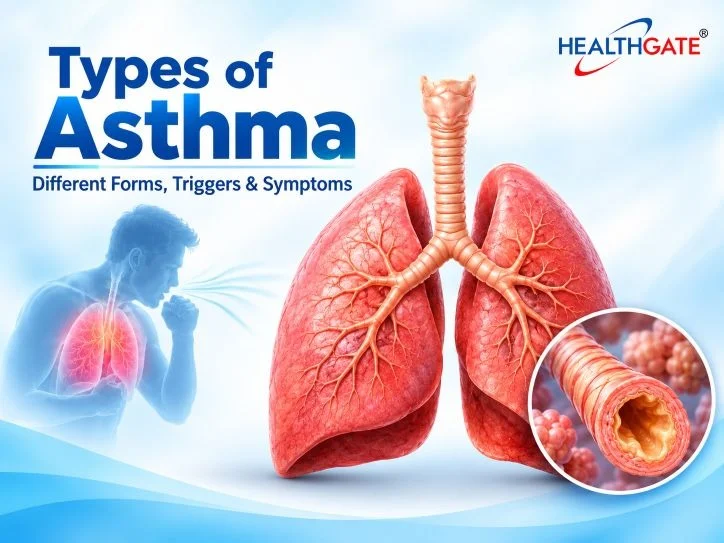
There is no one classification that fits everyone with asthma. Healthcare providers use several patterns: allergic asthma, non-allergic asthma, exercise induced bronchoconstriction (EIB), occupational asthma, adult onset asthma and difficult to control asthma.
These differences can explain why symptoms occur in some situations but not others and why treatment needs to be tailored.
Allergic asthma is when allergens cause inflammation and narrowing of airways — it usually goes with eczema or allergic rhinitis too (see below).
Triggers are:
Symptoms might be coughing, wheezing chest tightness, shortness of breath after exposure to a trigger.
People learn which allergens are relevant for them with help from professionals so they can understand their symptoms.
Non allergic asthma is when symptoms aren’t caused by allergies (e.g respiratory infection smoke exposure air pollution cold air strong chemical fumes).
Someone may have symptoms when they have a viral infection but not cigarette smoke exposure or heavy pollution even though they don’t have an allergy to those things.
Triggers are different person to person so it can be helpful to track symptoms and talk with your doctor about recurring patterns.
Exercise induced bronchoconstriction (EIB) is narrowing of airways during exercise or after exercise. It’s also called exercise induced asthma but it can happen to people who don’t have asthma yet too.
Don’t stop doing physical activity just because you have EIB — a health professional will assess your symptoms and suggest an appropriate management plan for you.
Occupational asthma is caused by exposure to certain substances at work (chemical fumes, industrial dust flour dust, wood dust or other substances which can cause an allergic/irritant response).
Someone might find that coughing, wheezing or breathing problems are worse in the working day and better on weekends/holidays — this pattern should be seen by a doctor (especially if symptoms start after starting a new job or changing work duties).
Early assessment will identify workplace exposures and reduce risk of further irritation or airway damage.
Asthma can start at any age — even adulthood! Adult onset asthma could be allergies, workplace exposures, respiratory irritants or anything else and not always have a trigger (adults cough persistently wheeze feel chest tightness or breathlessness repeatedly return).
Other conditions can cause the same symptoms so proper medical evaluation is needed before saying it’s asthma.
In cough variant asthma a persistent or recurring cough may be the main symptom (sometimes no obvious wheeze).
Cough can get worse at night, exercise in cold air etc. Coughing can be caused by allergies, infections, acid reflux and other things so it shouldn’t be assumed to be asthma.
A clinician might order breathing tests or other tests to find out what is causing it.
Some people have frequent symptoms (attacks) or asthma after treatment finishes. Severe asthma is one clinical category but hard to control asthma can also be due to incorrect inhaler technique, missed doses, ongoing exposure to triggers or other health problems.
A healthcare professional might look at diagnosis, treatment plan, inhaler use and subtypes of asthma before deciding what next (e.g change medication).
Severe or uncontrolled symptoms should not be managed by changing medication yourself.
Asthma cannot be diagnosed by symptoms alone. A doctor will consider medical history, frequency of symptoms and triggers (allergies), allergy history and response to previous treatment etc. Tests (spirometry, allergy testing or other tests) may be used if appropriate.
Some people also have overlapping asthma patterns. Someone might have allergic asthma but symptoms during exercise are different too. Knowing these patterns helps healthcare professionals design an individualised management plan.
Call an ambulance if breathing is difficult, symptoms get worse quickly or reliever medication prescribed doesn’t work as expected.
Understanding the types of asthma is the first step towards awareness of respiratory health — next step is to get medical advice, recognise triggers and follow treatment plan as advised by qualified healthcare professionals.
Healthgate is an India based respiratory pharmaceutical company. It has inhalers, respules tablets, capsules, syrups and other respiratory healthcare products in its portfolio.
For information about Healthgate’s respiratory product portfolio or professional and distribution enquiries, visit Healthgate or contact the team at +91 9463679097 or healthgatemd@gmail.com.
Partner with HealthGate for trusted respiratory healthcare solutions.

Healthgate is a leading respiratory pharma company in India, focused on delivering high-quality medicines for asthma, COPD, bronchitis, and other breathing disorders.

© 2026 Healthgate. All Right Reserved.