- Blog Details
What Causes Asthma? Understanding the Triggers, Risk Factors and Prevention
Asthma is a chronic disease of the airways which makes it hard to breathe normally (in people). It can affect children as well as adults and may cause coughing, wheezing (squeaky sound made when breathing), chest tightness and breathlessness (feeling short of breath). Symptoms can be mild or severe and get worse if someone is exposed to certain environmental or lifestyle triggers.
What causes asthma? Pollution? Allergies? Genetics? Everyday habits? Knowing what may cause and trigger asthma is important for managing it (and reducing risk of attack).
Air pollution, dust and smoke and allergens increase respiratory health in India. Let’s see what causes asthma and how people can control symptoms of the disease.
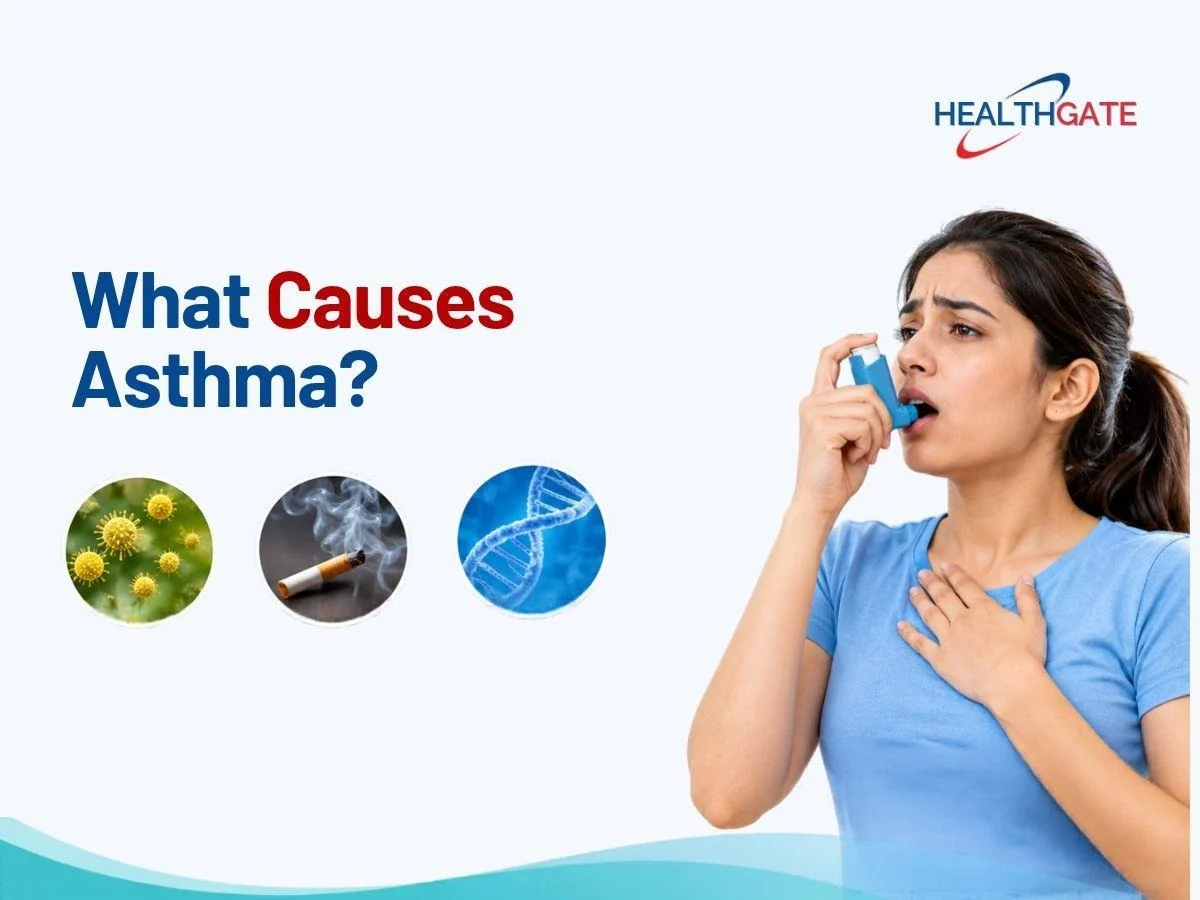
What Causes Asthma?
Asthma happens when airways become inflamed, swollen and over sensitive to certain substances or conditions (environmental factors). Muscles around the airways tighten up; mucus production increases so breathing passages narrow even more.
There is no single cause of asthma. Asthma usually develops through a combination of genetic, environmental and individual risk factors.
Some people get asthma when they are children; some adults. In some people exposure to certain triggers makes existing asthma symptoms worse.
7 Common Causes and Risk Factors of Asthma
1. Genetic Factors and Family History
Genetics can play a role in asthma development — if someone’s parents or close relatives have asthma, allergies or other allergic conditions then they are more likely to develop the condition themselves. But just because someone has family history doesn’t mean that person will develop asthma — environmental exposure and other individual factors also influence respiratory health.
2. Air Pollution
Air pollution is an important respiratory health problem in many Indian cities — polluted air (particulate matter, vehicle emissions, industrial smoke etc) irritates airways; long term exposure increases risk of respiratory problems; polluted air can also cause coughing, wheezing and breathing difficulties if people already have asthma.
3. Dust and Dust Mites
Household dust is one of the most common asthma triggers. Dust mites (tiny creatures in mattresses, pillows , carpets, upholstered furniture etc.) can cause allergies in sensitive people. Exposure to dust mite allergens irritates airways and worsens asthma symptoms. Cleaning, washing bedding regularly and reducing build up of dust all reduce exposure.
4. Pollen and Seasonal Allergies
Pollen from trees, grasses and flowers makes asthma symptoms worse in people who are allergic to it. Changes of seasons (especially when pollen levels increase) cause breathing problems (coughing, wheezing) so if you have asthma they happen more often. Some people also get allergic rhinitis (runny nose).
5. Tobacco Smoke and Passive Smoking
Smoking is bad for your respiratory health and irritates airways. Active smoking as well as second hand tobacco smoke make asthma symptoms worse too.
Children exposed to tobacco smoke may also be more likely to develop respiratory problems too. Don’t smoke and keep indoor spaces smoke free are preventative measures.
6. Respiratory Infections
Viral respiratory infections (common cold, influenza) can cause asthma symptoms because they inflame the lungs and make airways more sensitive. Respiratory infections in children often occur with development of asthma (especially if other risk factors are present).
7. Workplace Chemicals and Environmental Irritants
Some workplaces expose people to chemicals fumes cleaning agents industrial dust and other airborne irritants Repeated exposure causes occupational asthma or makes existing respiratory problems worse People who work in factories construction chemical processing cleaning industries may need protection
Everyday Habits and Conditions That Can Trigger Asthma
As well as the underlying risk factors some everyday activities and conditions can trigger asthma symptoms too
Common asthma triggers are
- Physical exercise — Exercise-induced bronchoconstriction (EIB) in some people
- Cold air Breathing cold or dry air narrows airways
- Strong fragrances Perfumes room fresheners some cleaning products irritate sensitive airways
- Mould and damp Exposure to mould spores in damp indoor spaces worsens asthma symptoms
- Stress and strong emotions Emotional stress intense excitement sometimes cause breathing difficulties
- Weather changes Sudden changes in temperature and humidity affect people with sensitive airways
Remember these are generally asthma triggers not universal underlying causes Different people will react differently to different substances and conditions
Can Asthma Be Prevented?
Asthma isn’t always prevented (especially if genetics and early life factors are involved) but exposure to known triggers reduces frequency of symptoms and improves respiratory health:
- Clean indoor areas and keep dust free
- Don’t smoke or breathe in second hand smoke
- Check local air quality and stay indoors when pollution levels are high
- Control dampness in your home so mould doesn’t grow
- Wash bedding regularly to minimise exposure to dust mites
- Take prescribed asthma treatment and regular medical check-ups
- Go to healthcare professional for help finding out personal asthma triggers
People with asthma should also follow an appropriate asthma action plan recommended by their doctor
How Is Asthma Managed?
Asthma is a long term condition but treatment can help most people control symptoms and lead an active lifestyle. Doctors will prescribe different treatments for people depending on age, severity of asthma symptoms and medical history
Common asthma management options include:
- Preventer inhalers: These usually contain inhaled corticosteroids that help reduce airway inflammation.
- Reliever inhalers: These provide quick relief from airway narrowing, depending on the prescribed medication.
- Nebulisation therapy: A nebuliser converts liquid medication into a mist that can be inhaled through a mask or mouthpiece. It may be recommended in specific situations.
- Combination medications: Certain treatments combine different medicines to help control asthma symptoms.
Patients should never start stop or change asthma medication without talking to healthcare professional first
Recommended Respiratory Products from HealthGate
People with respiratory conditions need to choose right respiratory medicines and products under medical guidance we have respules, inhalers, nasal sprays, respiratory syrups other respiratory formulations at HealthGate depending on what product is prescribed for what use patient condition these formulations may be part of doctor’s respiratory treatment plan if you are looking for respiratory healthcare products browse HealthGate’s respiratory range ask your doctor which option is best for you.

Get Respiratory Healthcare Support from HealthGate
First step towards better respiratory health is knowing what causes asthma — genetics and exposure to environment might play role but triggers (personal) and right treatment plan can help people manage it
HealthGate is committed to respiratory healthcare solutions through its inhalers, respules, syrups and related products
Contact HealthGate for respiratory product range and ask about available respiratory healthcare solutions for you