
- Blog Details
Is COPD Contagious? Causes, Symptoms and How It Spreads
Chronic breathing problems can raise an important question: is COPD contagious? If someone in your family has COPD then you may wonder if you can get it through close contact, eating meals with them or living in the same house as them?
No. COPD is not contagious. You can’t get COPD from another person by coughing or sneezing on them, touching or sharing everyday items with them. Respiratory infections spread between people and may make someone who already has COPD worse.
Knowing what COPD is and contagious respiratory infections are can help you take the right precautions and support better lung health.
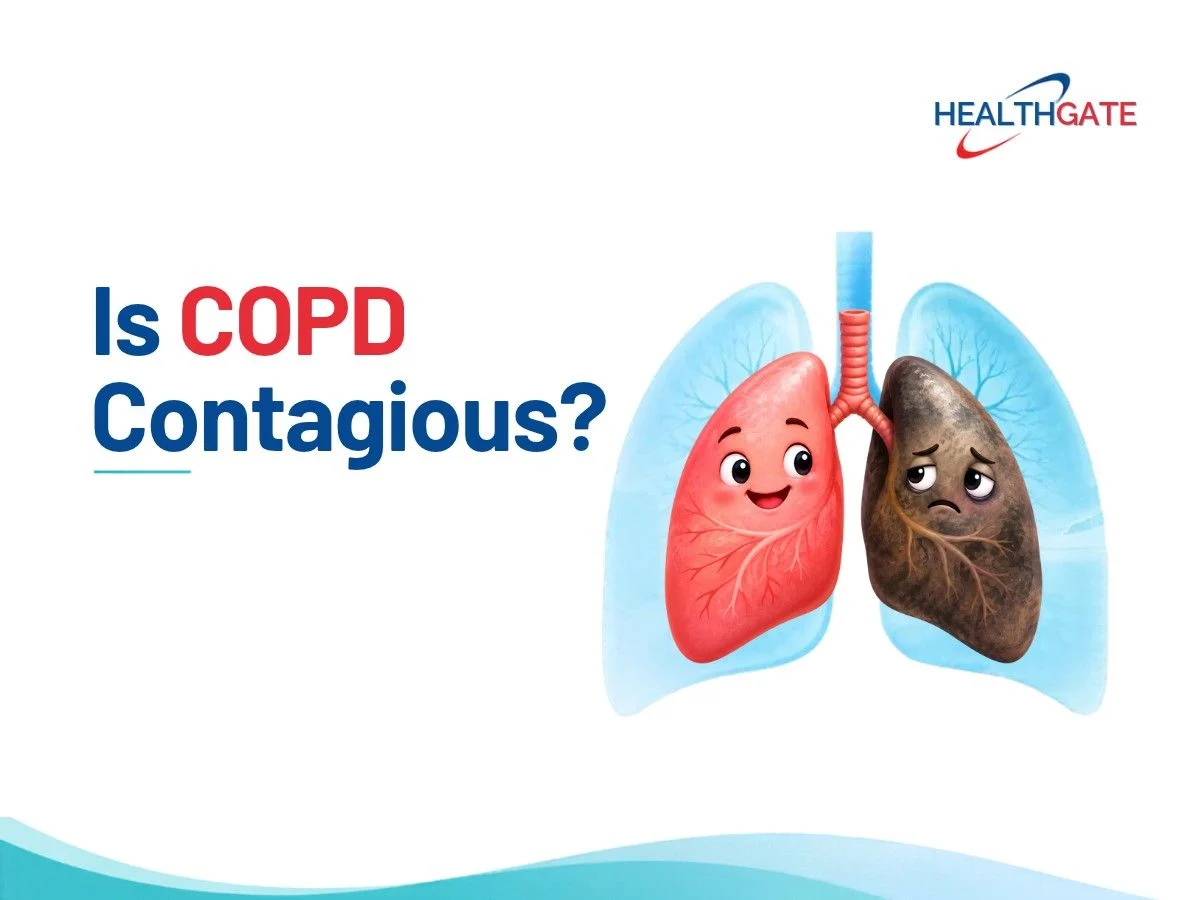
What Is COPD?
COPD (Chronic Obstructive Pulmonary Disease) is a lung disease that causes breathing problems. It usually includes emphysema and chronic bronchitis — diseases of air sacs and airways in the lungs.
COPD makes it hard for air to move in and out of the lungs. People with COPD may have:
- Shortness of breath
- A persistent cough
- Mucus (sputum) production
- Wheezing
- Tiredness
Symptoms usually develop slowly but may get worse over time.
COPD has to be diagnosed and medically treated over time. Treatment controls symptoms and improves quality of life but existing lung damage may not be fully reversible.
Why Is COPD Not Contagious?
COPD develops because of long term damage and changes in the lungs and airways. It doesn’t spread from person to person (like influenza, COVID-19 or some respiratory infections do).
Common risk factors for COPD include:
- Tobacco smoking: Smoking is the biggest risk factor for COPD.
- Air pollution: Long term exposure to outdoor air pollution damages the lungs.
- Indoor smoke: Smoke from biomass fuels used for cooking or heating may increase risk.
- Workplace exposure: Dust, fumes and chemical vapours can damage the respiratory system over time.
- Genetic factors: In some people inherited conditions (e.g., alpha-1 antitrypsin deficiency) increase susceptibility.
These things don’t make COPD an infection that people pass from one person to another. A person with COPD can be around family and friends — the disease isn’t a transmission risk.
Can You Catch COPD From Someone Who Has It?
No. You can’t get COPD because you live with someone who has it or care for them or spend time around them.
You can live together, eat together and have normal physical contact without catching COPD. There’s no reason to isolate someone because they have COPD.
However people with COPD are more likely to get respiratory infections and an infection can cause sudden worsening of symptoms. A person with COPD can also catch a contagious infection from someone else just like other people can.
So if a family member has influenza or another respiratory virus that infection can spread to someone with COPD. The infection doesn’t cause COPD to spread but it can cause an exacerbation of COPD (sometimes urgent medical care is needed).
Can a Respiratory Infection Make COPD Worse?
Yes. Respiratory infections make airways more inflamed so breathing is harder for someone with COPD. Viruses and some bacteria cause exacerbations (also flare-ups).
Warning signs of a possible flare-up include:
- More shortness of breath.
- More frequent or severe coughing — change in amount, thickness or colour of mucus;
- Wheezing or chest tightness greater than usual;
- Unusual fatigue or reduced ability to do everyday activities — these aren’t always infections but if it changes from the person’s usual condition then talk to a health professional about it.
Breathing problems (blue lips/face), confusion or chest pain are all reasons for urgent medical attention.
How Can People With COPD Protect Their Lung Health?
COPD is not contagious but sensible precautions can reduce the risk of respiratory infection and protect lung health.
1. Avoid tobacco smoke.
People with COPD shouldn’t smoke or second-hand smoke. Smokers can ask their healthcare professional for help quitting smoking.
2. Practise good hand hygiene.
Wash hands regularly (e.g. after coughing or sneezing or returning from public places); don’t touch eyes, nose or mouth with unwashed hands.
3. Reduce exposure to respiratory infections.
Don’t be around people who are sick when you can (or improve indoor ventilation), wear a well fitting mask in crowded or high risk settings.
4. Discuss vaccinations with a doctor.
Vaccines for influenza, COVID-19 and pneumococcal disease doctors recommend may protect eligible people with COPD from some infections and complications (recommendations vary by age, health status and guidelines at time).
5. Follow the prescribed treatment plan.
Use inhalers and other medicines as directed by your doctor. Do not stop or change treatment without talking to your doctor first.
6. Limit exposure to pollution and dust.
If possible avoid heavy smoke, fumes and poor air quality. Workplace protection may be needed for people exposed to dust or chemicals too.
When Should You Consult a Doctor?
If you have a persistent cough, breathlessness, wheezing or repeated chest infections see a doctor — these symptoms can have many causes and don’t necessarily mean you have COPD but a doctor will look at your medical history (smoking or exposure history), symptoms and spirometry (breathing test used to measure airflow) so they can diagnose COPD.
People already diagnosed with COPD should see a doctor if their symptoms get worse or treatment isn’t helping (early assessment identifies triggers).
- FAQ's
Frequently Asked Questions About Healthgate
No. COPD doesn’t spread by coughing or sneezing itself but someone with COPD may also have a contagious respiratory infection that spreads to others.
COPD doesn’t pass from one person to another by contact; but family members may share risk factors (smoking, indoor air pollution or environmental exposures). Some inherited conditions increase COPD risk in some families too.
Yes. COPD isn’t an excuse to cut yourself off from family and friends. Medical advice, not smoking, symptom management and reducing exposure to respiratory infections will keep people well day-to-day.
COPD is a chronic lung disease — it’s not an infection (respiratory infections may be present with COPD and cause flare ups but aren’t the cause of every case of COPD).
Get Reliable Respiratory Healthcare Information
Understanding if COPD is contagious reduces unnecessary worry and encourages better respiratory health practices. COPD itself isn’t contagious but respiratory infections can spread and put people living with COPD at risk too.
Recognising symptoms avoid smoke follow treatment prescribed, seek timely medical advice if needed are steps in management of COPD.
For respiratory pharmaceutical products information and product details contact Healthgate (a respiratory focussed pharma company serving healthcare and pharmaceutical professionals across India).
Explore the available respiratory product portfolio or reach out to the team for product and partnership enquiries.